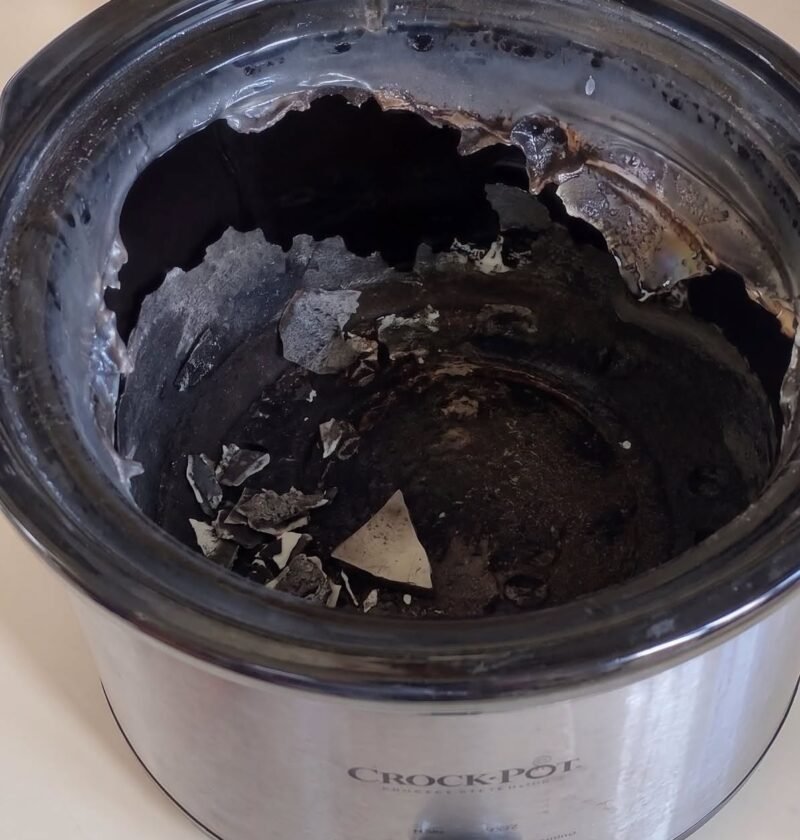
If you’re looking for a practical list, these are 11 foods/ingredients that generally need special care in a slow cooker:
-
Raw kidney beans — They contain phytohaemagglutinin, a toxin that requires proper boiling to destroy. Don’t rely on a slow cooker alone.
-
Large amounts of dairy — Milk, cream, and some soft cheeses can curdle or separate during long cooking. Add them near the end when appropriate.
-
Seafood — Fish, shrimp, and other delicate seafood can become rubbery or fall apart if cooked for many hours. Usually add them toward the end.
-
Pasta — Long slow cooking can make pasta mushy. Add it during the final part of cooking instead.
-
Rice — Some types can become overly soft or cook unevenly during very long slow-cooker cycles. Follow the recipe’s specific instructions.
-
Fresh herbs — Delicate herbs such as parsley, basil, and cilantro can lose their flavor. Add them near the end.
-
Tender vegetables — Zucchini, peas, spinach, and similar vegetables can become excessively soft; they often work better when added later.
-
Frozen meat or poultry — Putting frozen meat directly into a slow cooker can leave it in the bacterial “danger zone” for too long. Thaw it safely first.
-
Large quantities of alcohol — Alcohol doesn’t evaporate as quickly in a covered slow cooker as it does in an uncovered pan, so excessive amounts can leave a harsh flavor.
-
Delicate fruits — Some fruits can disintegrate during prolonged cooking. Add them later if you want them to retain their shape.
-
Very lean meats — Extremely lean cuts can dry out during a long cooking period. Choose cuts suited to slow cooking or shorten the cooking time