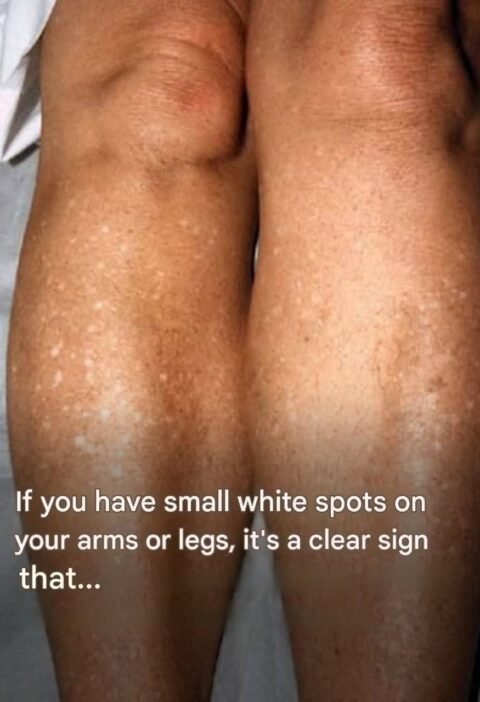
After 65, daily showering isn’t necessarily harmful, but for some older adults it can contribute to dry, irritated skin—especially with hot water, long showers, and strong soaps.
Why this can happen
-
Skin becomes thinner and drier with age. Older skin produces less oil, so frequent washing can remove some of the protective oils.
-
Hot water can worsen dryness. Long, hot showers can strip lipids from the skin and leave it tight or itchy.
-
Harsh soaps can irritate. Fragranced or antibacterial cleansers may be particularly drying.
-
Dry, cracked skin can become uncomfortable. Scratching irritated skin can cause small breaks that may increase the risk of infection.
Does that mean you should stop showering every day?
Not necessarily. There isn’t a universal rule that people over 65 should shower less often. Frequency can depend on sweating, physical activity, climate, incontinence, skin conditions, and personal preference.
A skin-friendly routine is usually more important than a specific number of showers:
-
Use lukewarm rather than hot water.
-
Keep showers relatively short.
-
Use a gentle, fragrance-free cleanser, concentrating on areas that actually need washing.
-
Apply a thick moisturizer soon after drying, while the skin is still slightly damp.
-
Avoid vigorous scrubbing and rough washcloths.
-
If daily full-body showers leave the skin persistently itchy, dry, or cracked, consider discussing a different bathing routine with a clinician.
If you have persistent itching, open cracks, a rash, redness, swelling, or signs of infection, it’s worth getting medical advice rather than simply reducing bathing.