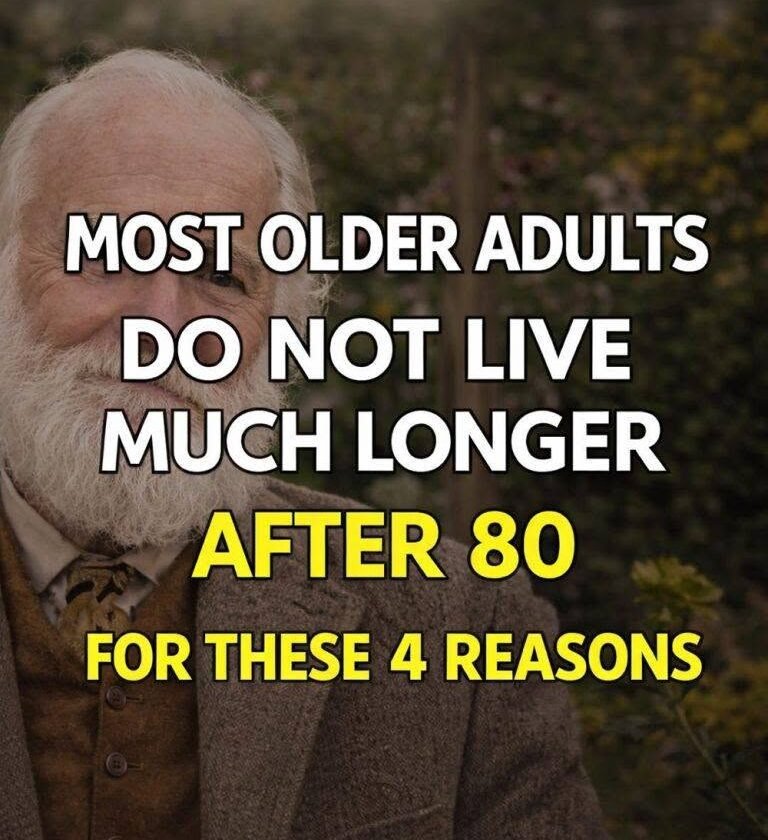
Do Most Older Adults Really Not Live Much Past 80?
The headline is misleading. There isn’t a universal cutoff at age 80, and life expectancy varies substantially by country, sex, genetics, health conditions, socioeconomic circumstances, and lifestyle. Many people live well into their 80s and 90s.
If the goal is to explain why health risks tend to increase with advanced age, four important factors are:
-
Cardiovascular disease — Risk of heart disease and stroke generally rises with age as vascular changes accumulate.
-
Cancer — The likelihood of developing many cancers increases with age because genetic damage and other cellular changes accumulate over time.
-
Frailty and loss of muscle — Aging can involve loss of muscle mass and strength, increasing vulnerability to falls, disability, and complications from illness.
-
Multiple chronic conditions — Older adults are more likely to have conditions such as diabetes, kidney disease, lung disease, or dementia. Having several conditions simultaneously can increase vulnerability to infections and other stresses.
What matters most
Age itself isn’t a disease, and reaching 80 doesn’t mean that serious decline is inevitable. Physical activity, strength training, adequate nutrition, avoiding tobacco, managing blood pressure and cholesterol, staying socially connected, and keeping up with appropriate preventive care can all contribute to healthier aging.
A more accurate headline would be:
“Why Health Risks Increase After 80: 4 Important Factors That Affect Healthy Aging”