After Gallbladder Removal: 3 Things You May Experience
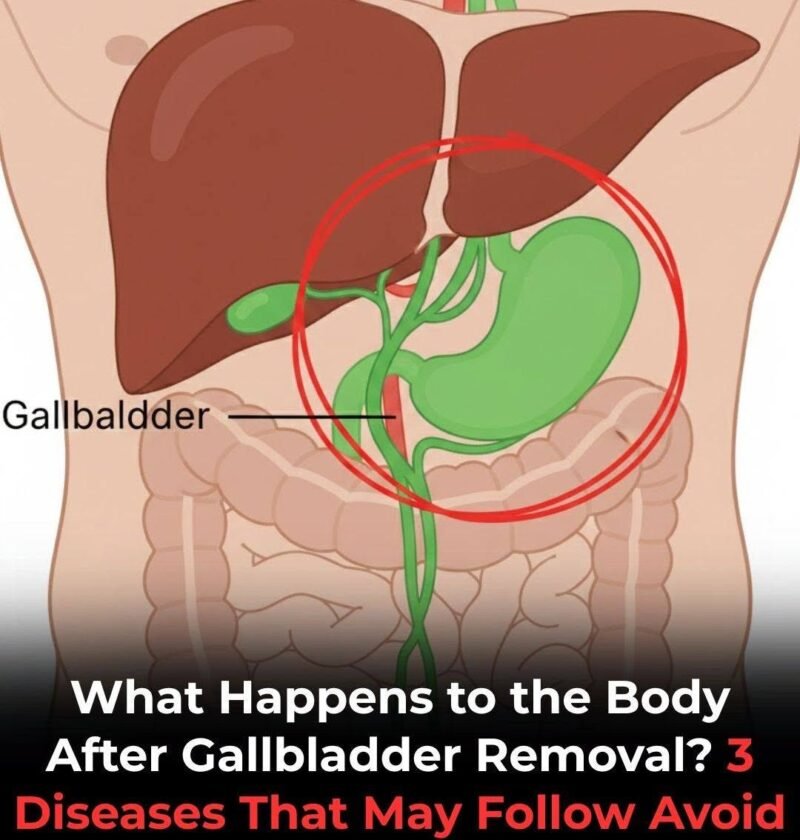
Gallbladder removal (cholecystectomy) is a common operation and is generally considered safe when there is a medical reason for it. The claim that people should “avoid the surgery when possible” is too broad: for conditions such as symptomatic gallstones or acute cholecystitis, surgery may prevent serious complications.
Three possible issues after surgery are:
-
Diarrhea or looser stools
Some people have temporary diarrhea because bile flows continuously into the intestine rather than being stored in the gallbladder. It often improves over time. -
Indigestion, bloating, or abdominal discomfort
Changes in digestion can cause bloating, gas, nausea, or discomfort, particularly after fatty meals. Persistent symptoms deserve medical evaluation because they aren’t necessarily caused by the absence of a gallbladder. -
Bile-related complications
Rare complications include bile leakage, injury to the bile duct, or retained stones in the bile duct. These can cause abdominal pain, jaundice, fever, or abnormal liver tests and require medical assessment.
Should you avoid gallbladder surgery?
Not automatically. Many people live normally without a gallbladder, and surgery is often recommended when gallstones cause repeated pain or complications. On the other hand, gallstones that cause no symptoms often don’t require surgery, so the decision depends on the individual’s diagnosis and risks.
If you’re considering gallbladder removal, the important question isn’t simply “Can I avoid surgery?” but “What is the risk of leaving my particular gallbladder problem untreated compared with the risks of surgery?” A surgeon or gastroenterologist can help make that decision based on your symptoms and test results.