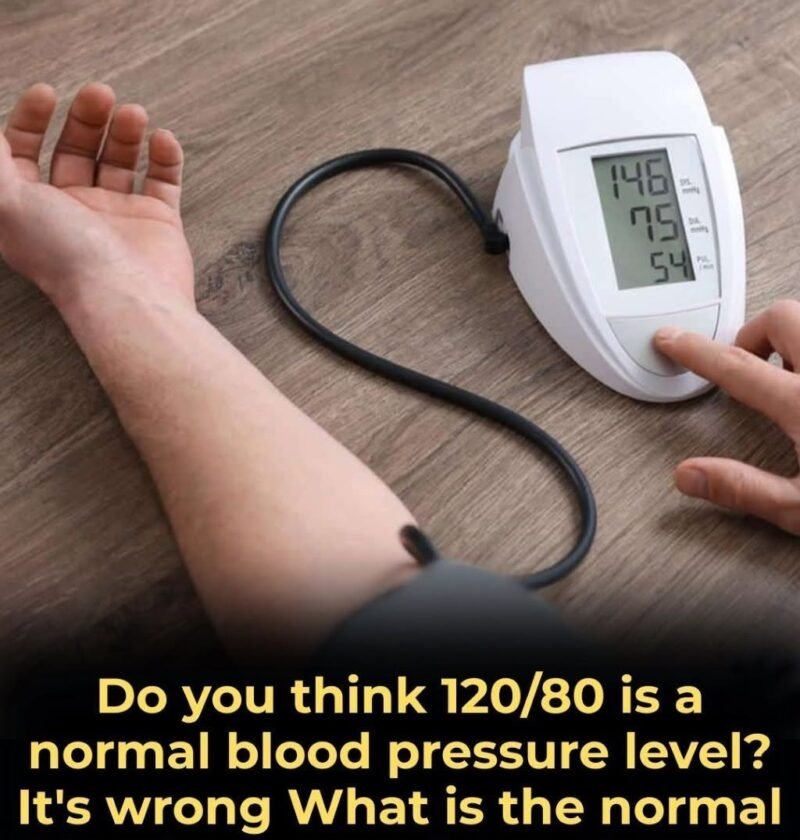
What Is the Normal Blood Pressure for Each Age?
Blood pressure naturally changes as we get older, but there is not one specific “normal” blood-pressure number for every age. For adults, the same general categories are used, while an individual’s treatment goal may be adjusted based on their overall health.
Adult blood pressure ranges
| Category | Top number (systolic) | Bottom number (diastolic) |
|---|---|---|
| Normal | <120 | and <80 |
| Elevated | 120–129 | and <80 |
| High – Stage 1 | 130–139 | or 80–89 |
| High – Stage 2 | ≥140 | or ≥90 |
| Severely high | >180 | and/or >120 |
By age
- 18–39: A reading below 120/80 is generally considered normal.
- 40–59: The same adult categories apply; age doesn’t make high blood pressure normal.
- 60–79: Adult categories still apply, although doctors may personalize treatment targets.
- 80 and older: There is no universal “normal” reading simply because of age. Treatment goals may be individualized according to health, frailty, medications, and other factors.
Don’t use adult numbers for children
For children and teenagers, blood pressure is interpreted using age, sex, and height, so their normal ranges are different.
One reading isn’t enough
Blood pressure can temporarily rise because of stress, exercise, caffeine, pain, or illness. If you repeatedly get readings above the normal range, discuss them with a healthcare professional.
Important: A reading of 180/120 mmHg or higher requires prompt attention. If it occurs with chest pain, severe shortness of breath, weakness, numbness, vision changes, confusion, or difficulty speaking, seek emergency medical care immediately.