Why Daily Showers After 65 May Do More Harm Than Good
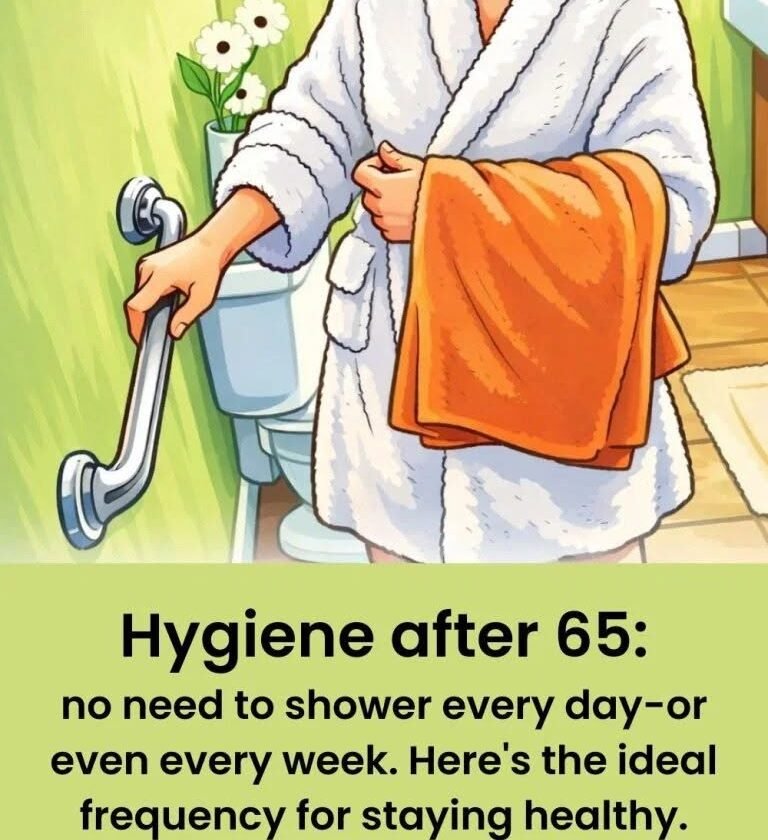
As we age, our skin naturally becomes thinner, drier, and more sensitive. That doesn’t mean people over 65 should stop showering every day. Rather, the way you shower matters more than the number of showers.
1. Hot water can strip natural oils
Long, hot showers can remove oils that help protect the skin. This may leave older skin feeling tight, dry, or itchy.
Try instead: Use lukewarm water and keep showers relatively short.
2. Harsh soap can irritate the skin
Strongly scented soaps, antibacterial cleansers, and heavily fragranced body washes can be irritating, especially if the skin is already dry.
Try instead: Choose a gentle, fragrance-free cleanser and concentrate it on areas that actually need washing.
3. Too much scrubbing can damage the skin barrier
Rough washcloths, loofahs, and vigorous scrubbing aren’t necessary for everyday cleanliness and can increase irritation.
Try instead: Wash gently with your hands or a soft cloth.
4. Very hot showers may make some people dizzy
Heat can cause blood vessels to widen and may contribute to lightheadedness, particularly in people who are prone to low blood pressure or take certain medications.
Try instead: Use warm rather than very hot water, rise slowly, and hold onto a stable surface if you feel unsteady.
5. Frequent washing can worsen dry, itchy skin
Older adults are more prone to dry skin, and repeated exposure to hot water and cleansers may make itching and flaking worse.
Try instead: Apply a thick, fragrance-free moisturizer immediately after bathing while the skin is still slightly damp.
Does this mean you shouldn’t shower every day?
No. Daily showering isn’t inherently unhealthy after 65. Some people need or prefer to bathe daily, while others may be comfortable bathing less often depending on activity, sweating, climate, incontinence, and personal preference.
If you have very dry or itchy skin, a shorter, lukewarm shower with gentle cleansing and regular moisturizing may be more comfortable than changing your bathing frequency alone.
If itching, cracking, rashes, wounds, or other skin changes persist, speak with a healthcare professional.
The goal isn’t to avoid showers—it’s to clean your skin without unnecessarily stripping away its protective barrier.