🚽 What Does the Color of Your Urine Say About Your Health?
Urine color can provide useful clues about hydration and sometimes health problems, but color alone cannot diagnose a disease.
🌈 Common urine colors
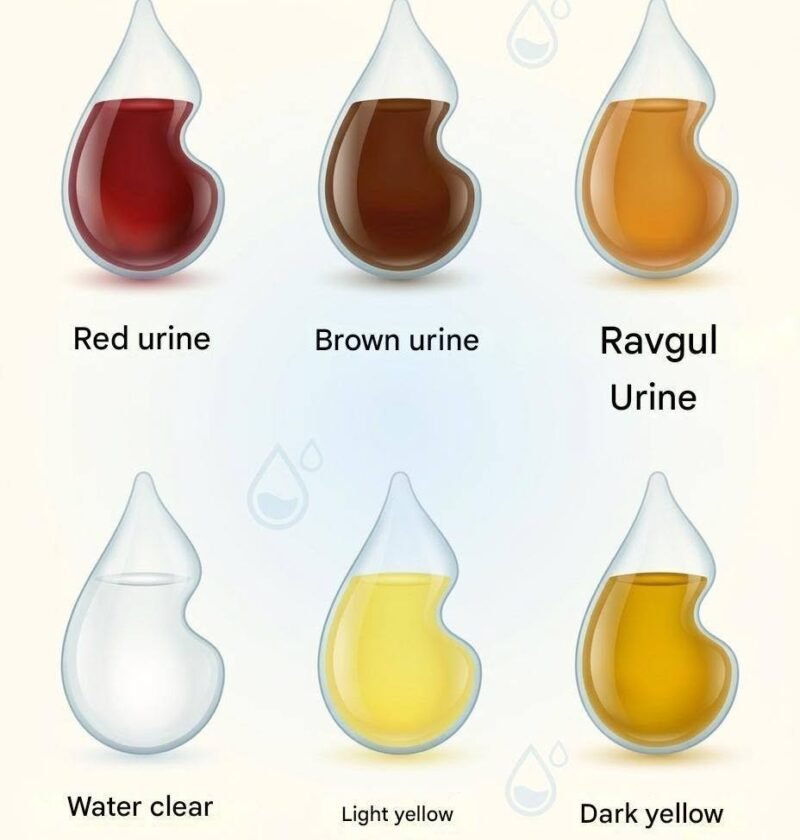
- 🟨 Pale yellow: Usually a sign of adequate hydration and generally normal.
- 🟡 Dark yellow/amber: Often means your urine is concentrated, commonly because you haven’t had enough fluid.
- 💧 Very clear: You may simply be well hydrated, although consistently drinking excessive amounts of water isn’t necessary.
- 🟠 Orange: Can result from dehydration, certain medications, or some medical conditions. Persistent orange urine deserves medical advice.
- 🩷 Pink or red: May indicate blood, but foods such as beets can also change urine color. Visible blood in urine should be medically evaluated, even if there is no pain.
- 🟤 Brown or tea-colored: Can occur with severe dehydration, certain medications, liver problems, or muscle injury. New unexplained brown urine warrants prompt medical evaluation.
- 🟢 Green or blue: Uncommon; certain medications, dyes, or infections can cause these colors.
- ☁️ Cloudy: May occur with dehydration, crystals, urinary-tract infection, or other causes. Cloudiness alone doesn’t prove an infection.
💊 Medications and supplements can change urine
Some vitamins—particularly B-complex vitamins—can make urine bright yellow. Certain medications and food dyes can also produce surprising colors.
🚨 When to get checked
Seek medical advice if you notice persistent unexplained changes, blood in the urine, brown urine, pain or burning when urinating, fever, back/flank pain, or a major change in how frequently you urinate.
Bottom line: Pale yellow urine is generally reassuring, while darker urine often means it’s more concentrated. But don’t use urine color alone to judge your health or hydration—thirst, fluid intake, medications, activity, and medical conditions all matter.