⚡ 11 Warning Signs of Low Potassium (Hypokalemia)
Potassium is essential for muscle contraction, nerve function, and normal heart rhythm. Low blood potassium—called hypokalemia—can range from mild to life-threatening.
11 possible signs
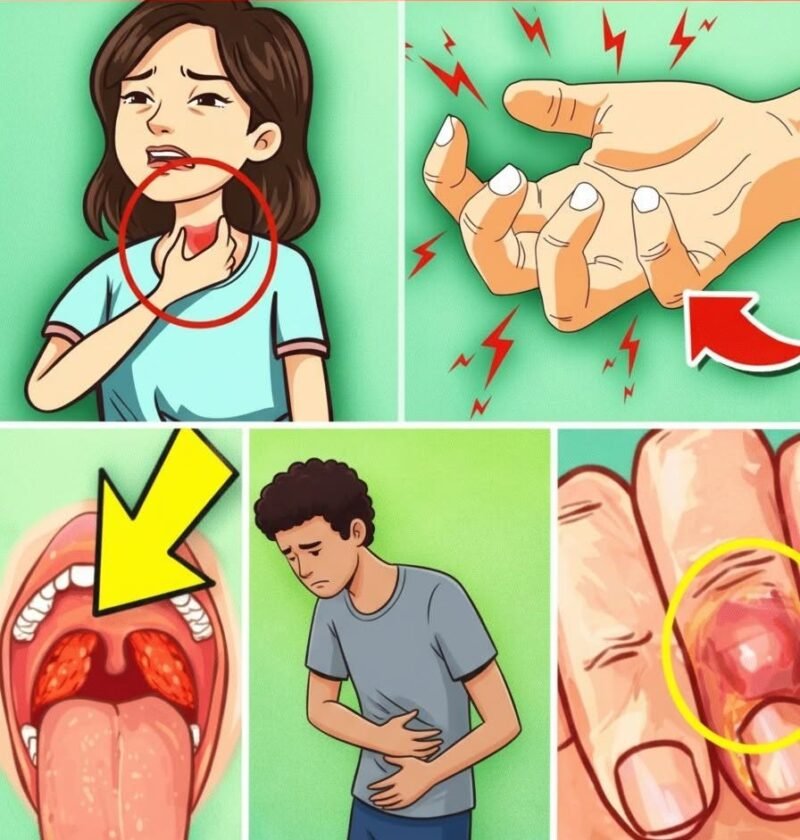
- Muscle weakness or unusual fatigue
- Muscle cramps or spasms
- Twitching or muscle discomfort
- Constipation
- Bloating or abdominal discomfort
- Tingling or numbness
- Heart palpitations or an irregular heartbeat
- Dizziness or lightheadedness
- Increased urination or thirst
- Difficulty moving the muscles when potassium becomes significantly low
- Severe weakness or paralysis in very serious cases
However, mild hypokalemia often causes no symptoms at all. These symptoms are also nonspecific and can result from many other conditions.
Why potassium can become low
Common causes include prolonged vomiting or diarrhea, heavy sweating, inadequate intake in certain circumstances, some diuretics (“water pills”), and certain hormonal or kidney disorders. Some medications can also affect potassium levels.
🚨 When it’s an emergency
Severe potassium deficiency can cause dangerous heart-rhythm abnormalities. Seek urgent medical attention for fainting, severe weakness, significant heart palpitations, chest pain, difficulty breathing, or paralysis.
Don’t start taking high-dose potassium supplements simply because you have cramps or fatigue. Too much potassium can also be dangerous, particularly for people with kidney disease or those taking medications that raise potassium.
A blood test is the reliable way to determine whether your potassium is actually low. If you’re taking a diuretic or have ongoing vomiting/diarrhea, ask your healthcare professional whether potassium testing is appropriate.